Northern Tanzania · Kenya

Care that meets people where they are.

The Foundation for Preventative Health brings vision support, oral-health education, and clear next steps closer to schools and communities.

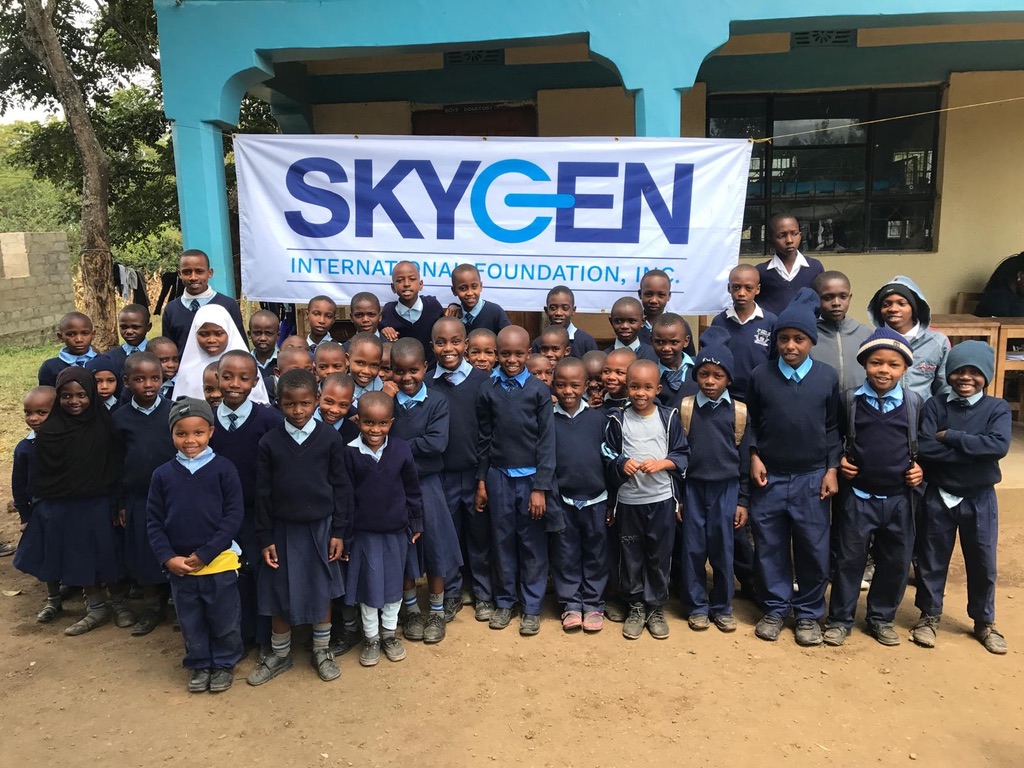
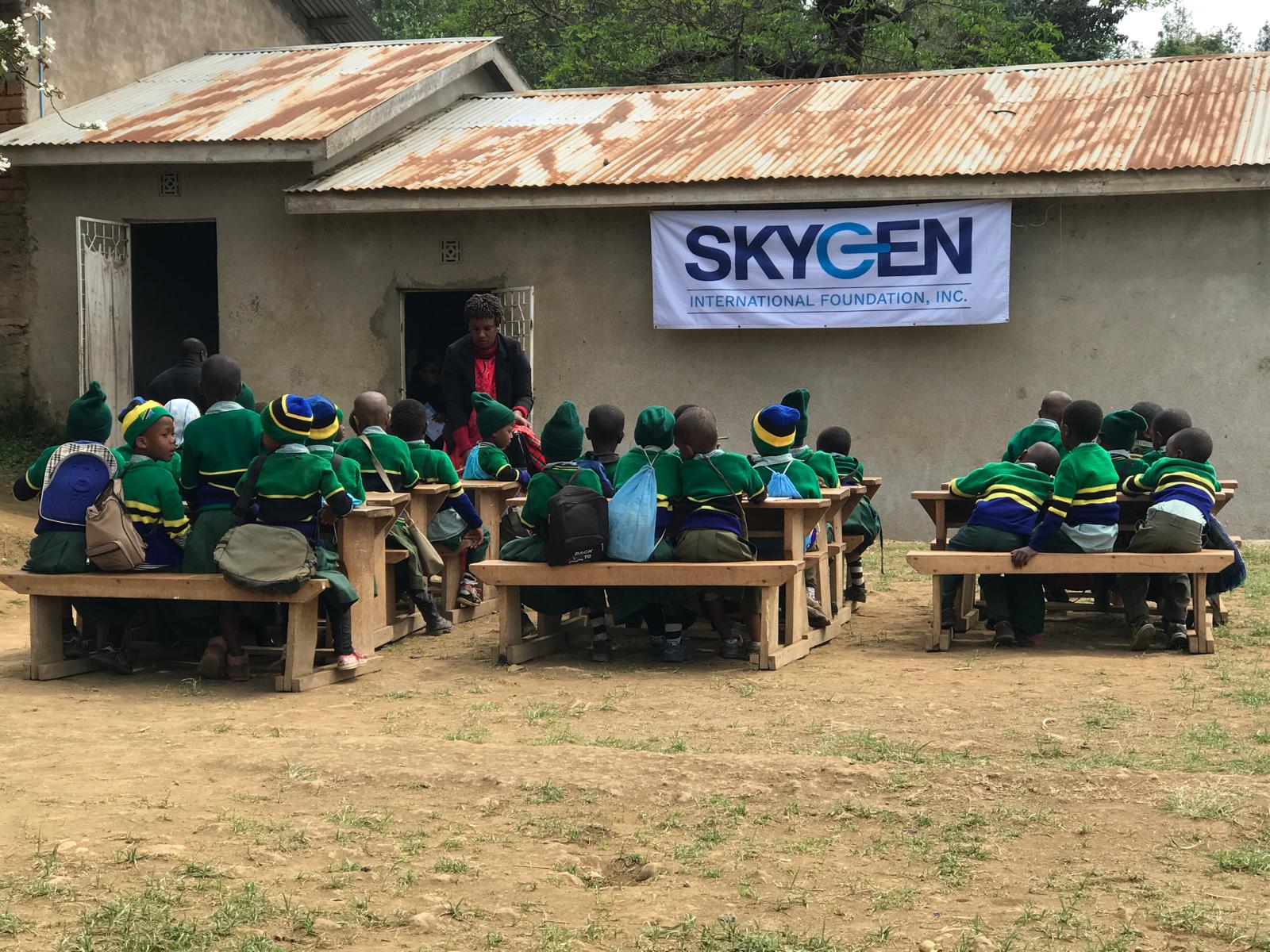
Schoolchildren seated on wooden benches during an outdoor preventative-health outreach session
01 School outreach brings preventative health into a familiar setting.

Who FPH is

A Tanzanian NGO built around prevention.

The Foundation for Preventative Health is a registered Tanzanian non-governmental organization focused on health education, vision care, dental-health support, and practical tools such as eyeglasses.

FPH works in schools and community settings, helping children and adults recognize a health need, understand their options, and take a useful next step closer to home.

Our work

Preventative health support grounded in everyday life.

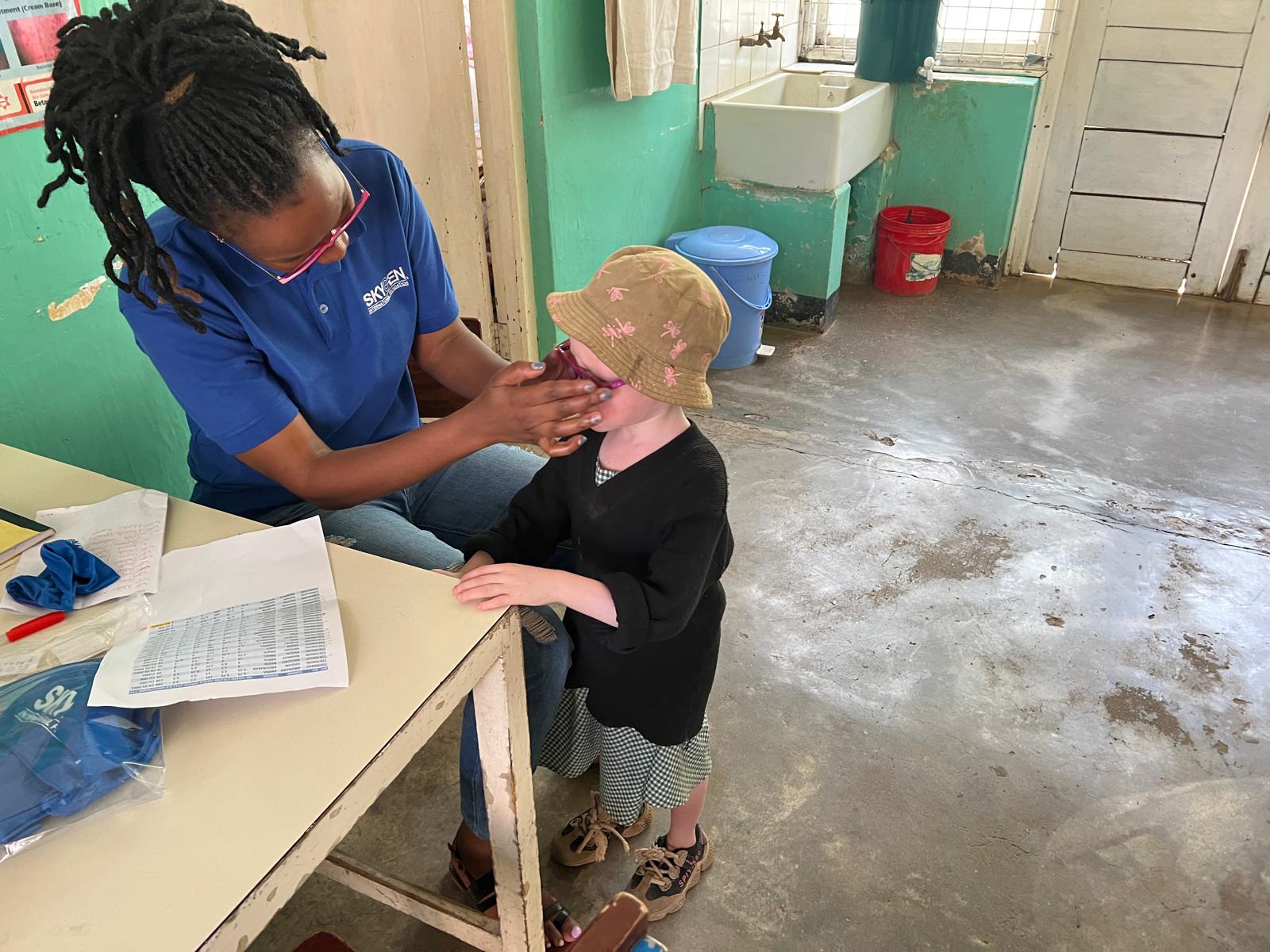
A trained health worker carefully fitting eyeglass frames for a child with albinism
Individual attention during an eyeglass fitting.
01

Vision care

Screen, assess, and make the next step clear.

School and community vision visits may include visual-acuity and refraction checks using portable diagnostic equipment. The results help trained team members decide whether eyeglasses are suitable or whether additional attention is needed.

  • School and community vision screening
  • Portable refraction and assessment
  • Eyeglass fitting and follow-up guidance
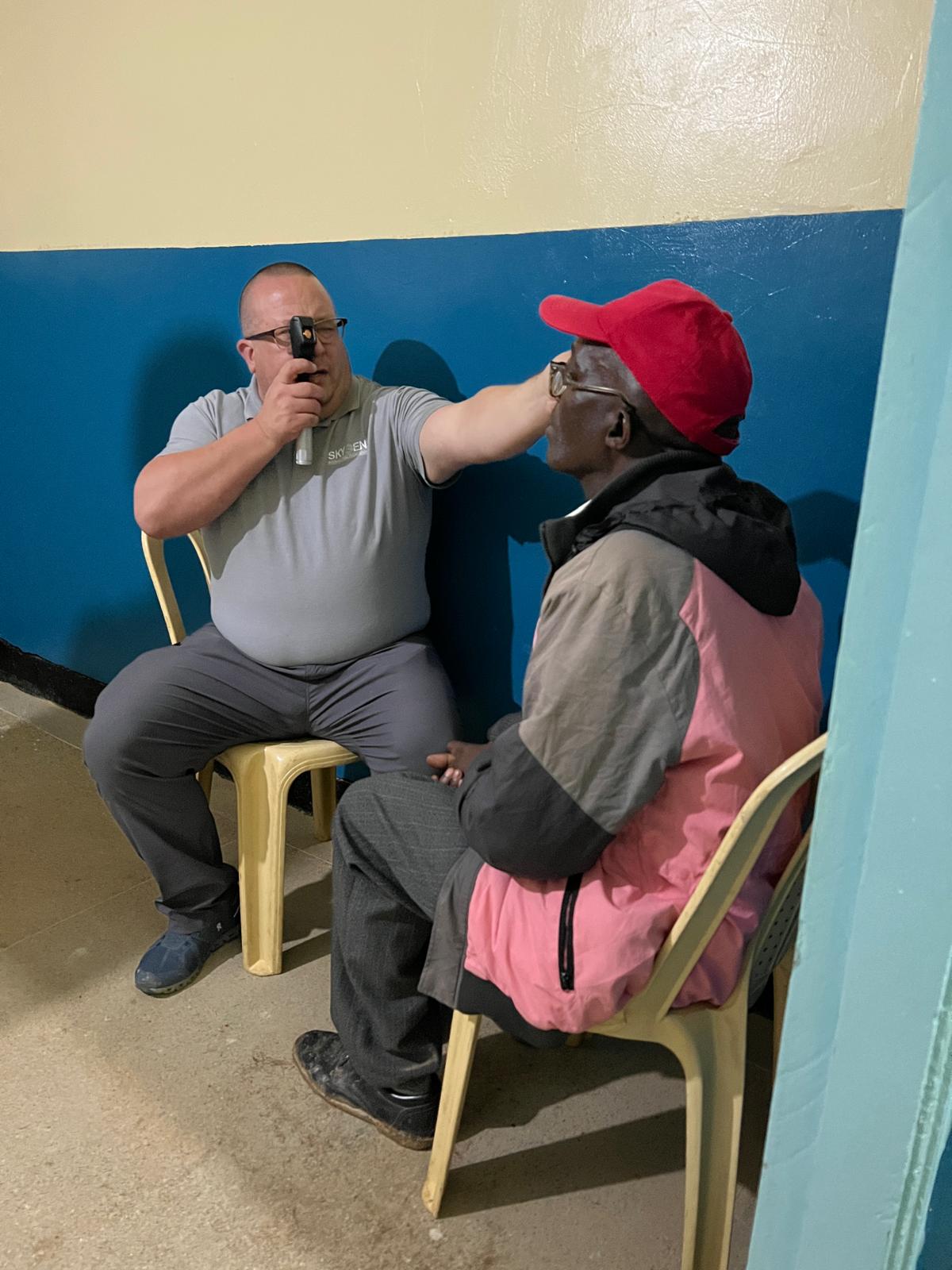
An older adult taking part in a handheld vision screening with a trained team member
Portable equipment supports screening in community settings.
02

Prescription eyeglasses

Fit glasses on site when suitable. Coordinate custom care when needed.

When a standard prescription is suitable, ready-to-fit eyeglasses may be supplied during the same visit. Program documentation describes custom eyeglass fulfillment and logistics support through Nairobi when a more complex prescription is required.

A group of schoolchildren gathered outside during a school health outreach visit
School outreach creates a practical starting point for prevention.
03

Oral-health support

Connect community education with clinic-based dental access.

Oral-health education and screening can begin through outreach. Across the wider program, official materials document basic exams, preventive treatments, selected restorative care, and referrals through permanent dental-service spaces at NSK Hospital in Arusha and Kaliluni Medical Center in Kenya. Exact services depend on local arrangements.

How vision care works

A practical route from screening to follow-up.

Each setting is different, but official program materials describe a consistent care pathway supported by portable technology, local staff, and coordinated eyeglass fulfillment.

  1. 01

    Screen & assess

    Visual-acuity and refraction checks help identify who may benefit from eyeglasses or further attention.

  2. 02

    Fit when suitable

    Standard prescription options may be fitted on site when they are appropriate for the person tested.

  3. 03

    Coordinate custom orders

    More complex prescriptions can move through documented laboratory and logistics support in Nairobi.

  4. 04

    Record & follow up

    Digital records and local teams help coordinate orders, delivery, and follow-up when needed.

A schoolchild considering a selection of eyeglass frames during an outreach visit

Local capacity

Care continues because local knowledge stays.

Trained local professionals turn a screening visit into a care pathway that can continue after the outreach team leaves.

Official program sources describe locally trained staff—including optometrists—supporting screening, refraction, eyeglass selection, records, and follow-up. That approach keeps expertise closer to communities while creating skilled local employment.

Explore the footprint

Our reach

Rooted in northern Tanzania. Connected across Kenya.

FPH’s wider northern-Tanzania footprint includes Arusha, Moshi, and Manyara, and its work also reaches communities in Kenya. The named facilities and support points below are locations specifically documented in official program materials.

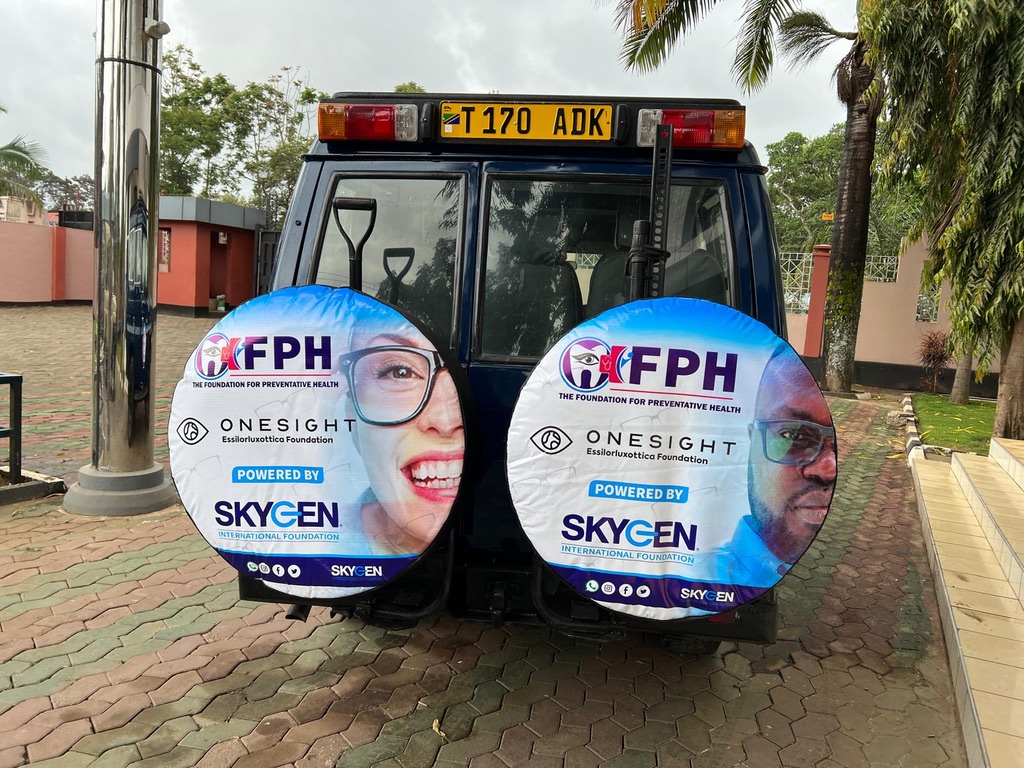
A branded FPH outreach vehicle used to carry people and equipment between field locations
Field transport supports work between schools, communities, and care settings.

Northern Tanzania

Community reach and documented care points

FPH identifies Arusha, Moshi, and Manyara as part of its northern-Tanzania activity. Official program sources add these specific locations:

Arusha Region
Locally staffed vision work and school or community screening.
Meru District
Documented mobile vision outreach in northern Tanzania.
Maji ya Chai
A permanent vision clinic identified in program materials.
NSK Hospital, Arusha
Permanent space documented for dental services.

Kenya

Care access and eyeglass support

FPH works with communities in Kenya. Official program materials identify two additional support points:

Kaliluni Medical Center
Permanent space documented for dental services in Kaliluni.
Nairobi
Laboratory and logistics support documented for custom eyeglass orders.

These descriptions identify documented program locations and support roles; they do not imply that FPH owns the named hospitals, clinics, or laboratories.

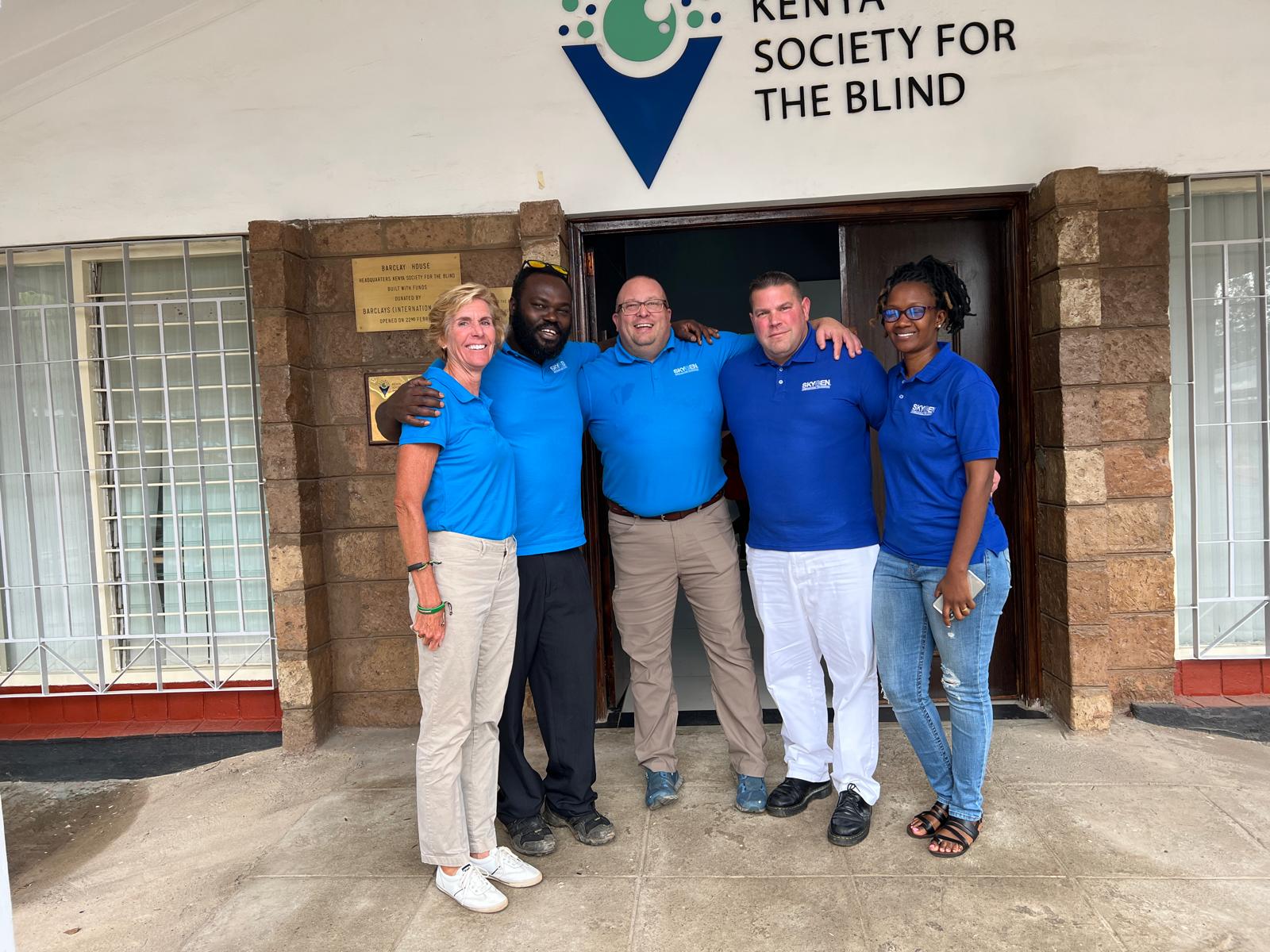
A five-person regional health team standing outside the Kenya Society for the Blind

Regional connection

Link local screening with the support a prescription requires.

For prescriptions that cannot be matched on site, documented laboratory and logistics support in Nairobi helps connect assessment with custom eyeglass fulfillment. Local teams remain central to delivery and follow-up.

Frequently asked questions

Useful answers about FPH care.

Where does FPH work?

FPH’s northern-Tanzania activity includes Arusha, Moshi, and Manyara, with work also reaching communities in Kenya. Official program materials specifically name the Arusha Region, Meru District, Maji ya Chai, NSK Hospital in Arusha, Kaliluni Medical Center in Kenya, and Nairobi-based eyeglass support.

Who are vision services for?

Program materials describe screening for schoolchildren, teachers, and adults in community settings. The people served and the services available vary by each outreach or host location.

What happens during a vision screening?

A visit may include visual-acuity and refraction checks using portable equipment. A trained team member reviews the result, discusses whether eyeglasses may help, and identifies an appropriate next step.

How are prescription eyeglasses supplied?

When suitable, standard prescription options may be fitted during the visit. More complex prescriptions can be coordinated through documented custom-laboratory and logistics support in Nairobi, with local delivery and follow-up.

Are dental services mobile or clinic-based?

Oral-health education and basic screening can be part of outreach. Official program materials place clinical dental services in permanent spaces at NSK Hospital in Arusha and Kaliluni Medical Center in Kenya, with referrals when needs exceed available services.

The Foundation for Preventative Health

Practical care. Local knowledge. A healthier next step.

Back to top